
Published: 04 September 2026
Bowel Cancer Screening Could Save Your Life
South Gippsland Hospital is encouraging community members to take advantage of Australia’s free National Bowel Cancer Screening Program and to speak with their GP about bowel health and screening options.
Bowel cancer is one of Australia’s most common cancers, but it is also one of the most preventable and treatable when detected early. In fact, more than 90 per cent of bowel cancers can be successfully treated if found in the early stages.
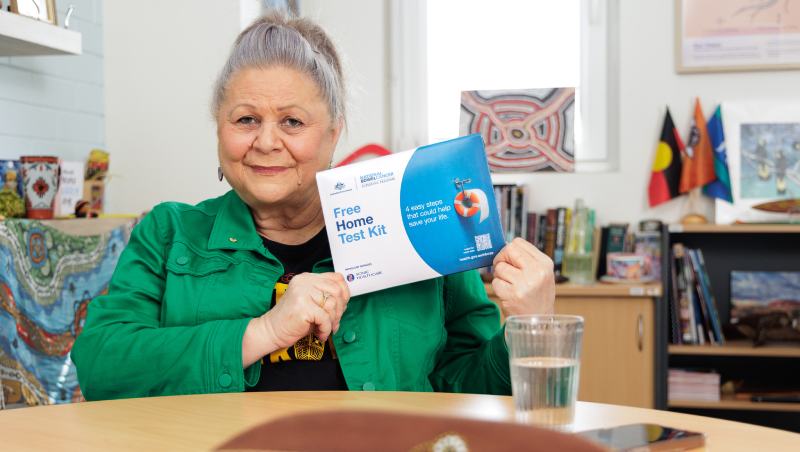
The National Bowel Cancer Screening Program provides a free at-home screening test every two years for eligible Australians aged 45 to 74.
People aged 50 to 74 automatically receive a screening kit in the mail, while those aged 45 to 49 can request their first free kit.
The simple test looks for tiny traces of blood in the bowel motion that may be an early sign of bowel cancer, often before any symptoms develop.
South Gippsland Hospital (SGH) is reminding local residents not to ignore their screening kit when it arrives.
“Completing the test takes only a few minutes and could make a life-saving difference,” said Paul Greenhalgh, SGH CEO.
“We encourage everyone who receives a kit to complete it promptly and return it for testing.”
People experiencing symptoms such as persistent changes in bowel habits, blood in the stool, unexplained weight loss, abdominal pain, or ongoing fatigue should not wait for a screening kit and should speak with their GP as soon as possible.
Residents who receive a positive screening result should make an appointment with their GP, who can discuss the results and arrange any further investigations that may be required. SGH works closely with local GPs and specialist services to ensure patients can access appropriate assessment and care as close to home as possible, consistent with the hospital’s commitment to delivering quality healthcare for the community.
For more information about the National Bowel Cancer Screening Program, speak with your GP or visit the Australian Government bowel screening website. Most importantly, if you receive a bowel screening kit in the mail, don’t put it aside. Doing the test could save your life.